If you’re here, chances are you’ve already taken a step toward improving your mental health—and that matters. Maybe you’ve tried Cerebral, or you’re currently considering it, but something’s making you pause and look around.
That’s completely normal.
As mental health needs evolve, many people begin exploring other options—often because they’re looking for things like:
- A deeper, more consistent connection with their therapist
- More flexibility in how therapy fits into daily life
- Support that goes beyond a medication-first approach
- Multiple ways to communicate, not just scheduled sessions
- A care experience that feels more personal and adaptable
If any of this sounds familiar, you’re not alone. In this guide, we’ll walk through the best Cerebral alternatives in 2026, helping you compare options and find a mental health platform that truly fits where you are right now.
A Quick Overview of Cerebral

Cerebral is an online mental health platform focused on providing therapy and, where appropriate, medication management through a structured digital model. It’s designed for people who want professional care with predictable formats and clear clinical processes.
Key features of Cerebral include:
- 1-on-1 therapy sessions with qualified, licensed therapists
- 60-minute video or phone sessions, depending on the care plan
- Medication management, when clinically appropriate
- Insurance-supported care, with average copays around $30 per session
- Out-of-pocket options, typically around $175 per session
- Dedicated treatment plans, based on evaluations and diagnoses
For many users, Cerebral provides a reliable and clinically structured way to access therapy and psychiatric care. But mental health isn’t static—and what works at one stage doesn’t always feel like the right fit later on.
As people become clearer about what they want from support, it’s common to start exploring other options that align more closely with their evolving needs and preferences.
Why People Explore Alternatives to Cerebral

Exploring alternatives doesn’t mean Cerebral isn’t helpful—it often means needs are changing. Common reasons people look at other options include:
- Wanting a stronger, more personal connection with their therapist
- Looking for greater flexibility in how therapy is delivered
- Preferring care that’s less medication-focused
- Seeking more communication options beyond scheduled sessions
- Wanting a platform that feels more adaptive to their pace and goals
- Exploring different pricing or affordability models
At this stage, many people begin comparing platforms that offer more personalization, broader support formats, or guidance beyond a strictly clinical framework—which is where Cerebral alternatives come into the picture.
Top 5 Alternatives & Competitors to Cerebral for E-Mental Health Care
MantraCare
At some point, many people pause and ask themselves a simple question:
“Is this really the kind of support I need right now?”
- Maybe therapy feels too rigid.
- Maybe check-ins feel transactional.
- Or maybe you want more than just managing symptoms—you want real progress, guidance, and someone who understands the bigger picture.
Many people reach a point where they want real care that feels personal, flexible, and easy to stay consistent with.
That’s where MantraCare comes in.
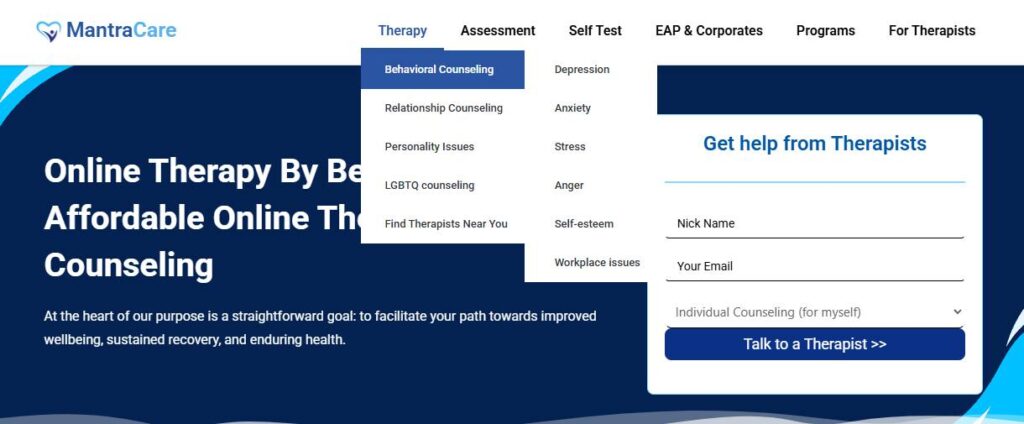
MantraCare is designed to adjust to your needs, your pace, and your goals. Instead of following a single model, it offers support that grows with you—whether you need someone to talk to right now or structured care over time.
What MantraCare offers:
- Personalized care plans based on your needs
- 24/7 support, so help is always available
- Chat, voice, and video sessions—choose what feels comfortable
- Simple assessments to understand what you’re going through
- Smart technology that helps experts guide you better
MantraCare works well for people who want real guidance, a stronger connection with their therapist, and support that fits into everyday life—not the other way around.
TherapyMantra

Now, what if your situation is a little different?
What if you know something isn’t right—but you can’t clearly say what it is?
Stress? Anxiety? Burnout? Relationship issues?
Or maybe you just don’t know where to begin.
That’s where TherapyMantra fits in naturally.
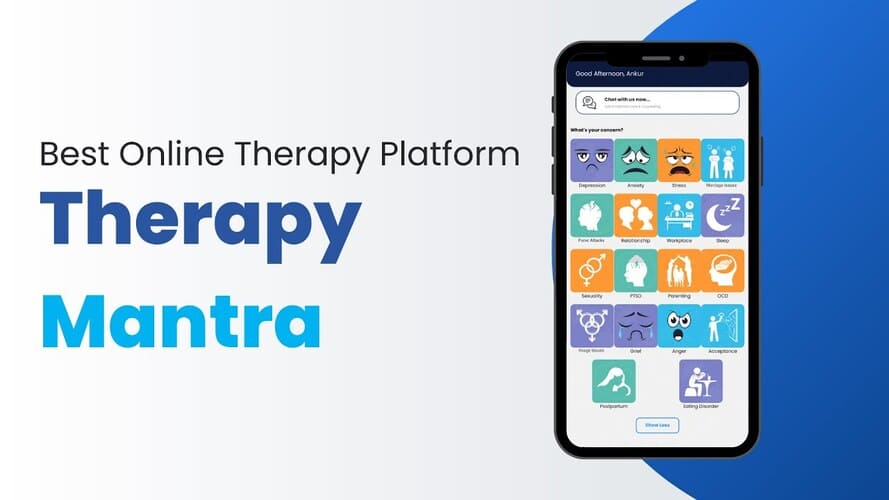
TherapyMantra is built for people who want clarity first, therapy next. Instead of expecting you to have all the answers, the platform helps you understand what you’re going through before moving forward.
How TherapyMantra helps:
- Simple mental health tests to identify what you may be experiencing
- Guidance from coaches and therapists to help you choose the right path
- Affordable online therapy, designed to be accessible
- Personalized support plans based on your results and needs
- 24/7 availability, so help is never out of reach
- Chat, voice, or video sessions—you decide what works best
TherapyMantra works especially well if you’re at the starting stage of your mental health journey. It removes confusion, reduces overwhelm, and gives you a clear direction—without pressure or complexity.
Want to understand your emotional well-being?
BetterHelp
If you already know that you want therapy—and you’re ready to commit to it regularly—BetterHelp is often one of the first platforms people consider.
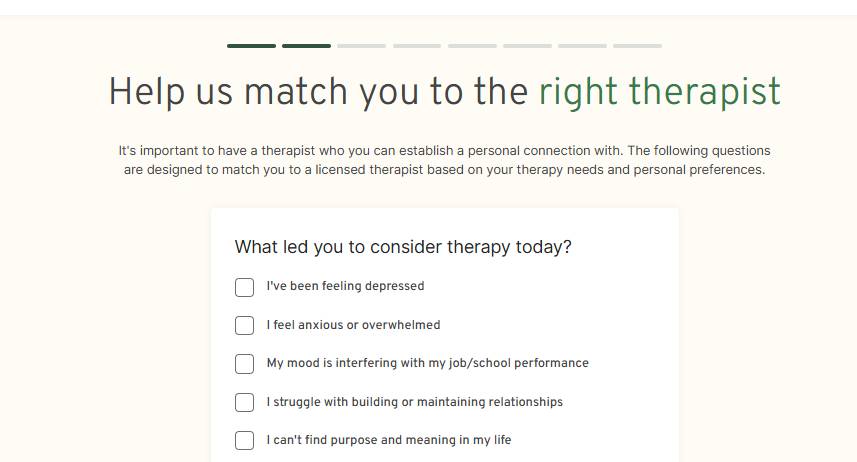
BetterHelp focuses on one-on-one online therapy with licensed professionals. After a short onboarding process, users are matched with a therapist based on their preferences and concerns, and sessions continue on a weekly basis.
What BetterHelp is known for:
- Licensed therapists across a wide range of mental health areas
- Regular therapy sessions, usually on a weekly schedule
- Multiple ways to communicate, including messaging, voice, and video
- Global availability, making it accessible in many regions
- Simple subscription-based model for ongoing care
BetterHelp works well for people who are clear about their needs and want a consistent, therapist-led experience.
Compared to Cerebral’s more clinical structure, it feels less medication-focused and more centered on talk therapy—though it’s generally best suited for those comfortable with a recurring therapy routine.
Talkspace

For many people, the biggest concern isn’t just finding a therapist—it’s affording therapy long term. If you already have health insurance, Talkspace can make online therapy much more accessible.
Talkspace offers online therapy and psychiatry services that are covered by many major health insurance plans (such as Aetna, Cigna, UnitedHealthcare, and more). This means you may only need to pay a small copay instead of the full session cost.
Along with insurance support, Talkspace makes therapy easy to fit into daily life.
What Talkspace offers:
- Insurance-covered therapy, often with low out-of-pocket costs
- Text messaging therapy, plus voice and video sessions
- Licensed online therapists and psychiatrists
- Medication support, when needed
- Flexible communication, even outside live sessions
Talkspace is a good fit if you already know you want professional help and prefer a clear, insurance-backed option. For people with the right coverage, it can be a practical and affordable way to continue therapy online.
7 Cups
Sometimes, you’re not ready for therapy.
You don’t want sessions, plans, or diagnoses.
You just want someone to listen.
That’s where 7 Cups fits in.
7 Cups offers free, anonymous emotional support through trained volunteer listeners who are available 24/7. It’s designed for people who want a safe space to talk about stress, loneliness, relationship issues, or everyday emotional struggles—without pressure.
What 7 Cups offers:
- Free 24/7 chat with trained listeners
- Anonymous and confidential conversations
- No commitment required to start talking
- Self-help resources and community support
- Optional paid therapy, for those who want to upgrade
7 Cups works best as a starting point. It’s helpful when you need emotional relief or a listening ear. However, people who later want professional guidance, structured therapy, or long-term progress often explore platforms that offer licensed care and personalized plans.
How to Choose the Right Alternative Platform for Better Mental Health
Choosing the right mental health platform isn’t about which one is most popular. It’s about finding support that matches where you are right now.
Before deciding, ask yourself a few simple questions:
- Do I just need someone to talk to right now?
If you’re looking for emotional relief without commitment, listener-based or peer support platforms can be a helpful starting point. - Am I unsure what I’m going through?
If you feel confused, overwhelmed, or can’t clearly name the issue, platforms that offer mental health tests and guided support can help you gain clarity before therapy. - Do I want professional, long-term care?
If you’re ready for consistent progress, look for platforms with licensed therapists, personalized plans, and ongoing guidance. - Is affordability or insurance important to me?
Choosing a platform that fits your budget—or works with your insurance—makes it easier to stay consistent with care. - Do I need flexibility?
Access to support through chat, voice, or video, along with 24/7 availability, can make therapy easier to fit into daily life.
The key takeaway
Mental health isn’t one-size-fits-all. The right platform should grow with you, not limit you.
That’s why many people choose options like TherapyMantra when they want clarity and an affordable place to start, and MantraCare when they’re ready for personalized, expert-led care that adapts to their needs over time.
The best choice is the one that supports you—not just today, but as you move forward.
Get Connected With Top Online Therapists
Choosing the right mental health platform is about finding support that truly fits your needs—now and as they change. With so many options available, clarity, flexibility, and expert guidance make all the difference.
If you’re ready to move beyond uncertainty and take a confident next step, start with a trial session on MantraCare today. It’s a simple way to experience personalized, expert-led care and see what support that truly adapts to you feels like.
Your journey doesn’t have to wait. Start where real support begins.