Do you feel stuck in repetitive thoughts or behaviors?
A confidential, therapist-designed OCD assessment to help you understand intrusive thoughts, recognize compulsive patterns, and take the next step toward better control and relief.




How it works
From "I'm not sure" to clarity in three simple steps
Step 01
Take the assessment
Answer short questions about how you’ve been feeling. Takes just 3 minutes.
Step 02
Get instant results
See your personalized score with a clear explanation of what it means for you.
Step 03
Connect with a therapist
If needed, we’ll hand-match you with a licensed therapist within 24 hours.
Self Test
3 Min Free OCD Test
Answer a few short questions. We’ll show you results immediately — completely private.

Who it's for
Who Can Benefit From This OCD Test?
The OCD (Obsessive-Compulsive Disorder) test can benefit anyone who suspects they may be experiencing symptoms of OCD. OCD is a mental health condition characterized by obsessions (persistent, unwanted thoughts or impulses) and compulsions (repetitive behaviors or mental acts that individuals feel compelled to perform to alleviate anxiety). The symptoms of OCD can be distressing and impact an individual’s daily life, relationships, and functioning.
This assessment may be particularly useful for individuals who have persistent, unwanted thoughts or impulses, engage in repetitive behaviors, or have difficulty controlling their thoughts or behaviors. The assessment can help individuals better understand their symptoms and determine whether they may benefit from seeking support from a mental health professional.
Reliable & Validated
OCD Test Accuracy
The accuracy of an OCD test can depend on several factors, including the honesty and accuracy of the responses provided by the user, and the individual’s current state of mental health. It’s essential to note that an OCD test is not a substitute for a formal diagnosis by a licensed mental health professional and it is best used as a screening tool to identify potential symptoms and risk factors for OCD.
However, many OCD tests have been designed and validated by mental health professionals and researchers to ensure their accuracy and reliability. These tests typically involve a set of standardized questions and scoring procedures to provide an objective measure of OCD symptoms. It’s essential to remember that while a test can provide useful information, it should not be used in isolation to diagnose or treat OCD.
The Tools Clinicians Use
Types of OCD Test
Several validated assessments exist — each designed for different populations and purposes.
Yale-Brown Obsessive-Compulsive Scale (Y-BOCS)
A clinician-administered scale used to measure the severity of OCD symptoms. Widely used in clinical settings.
Obsessive-Compulsive Inventory (OCI)
A self-report measure that assesses various OCD symptom dimensions, including checking, washing, and ordering.
Structured Clinical Interview for DSM-5 (SCID)
A structured clinical interview used by professionals to diagnose OCD and related mental health conditions.
Padua Inventory–Revised (PI-R)
A self-report questionnaire that assesses different types of obsessive and compulsive symptoms.
Maudsley Obsessive-Compulsive Inventory (MOCI)
A widely used self-report tool that evaluates the presence and severity of OCD symptoms.
Saving Inventory–Revised (SI-R)
A self-report scale that evaluates hoarding behaviors, often associated with OCD.
GLOBAL DATA
OCD (Obsessive-Compulsive Disorder) Statistics in the World
Sourced from WHO, NIMH, and global mental health studies.
People worldwide are affected by OCD.
Adults experience OCD at some point in their lives.
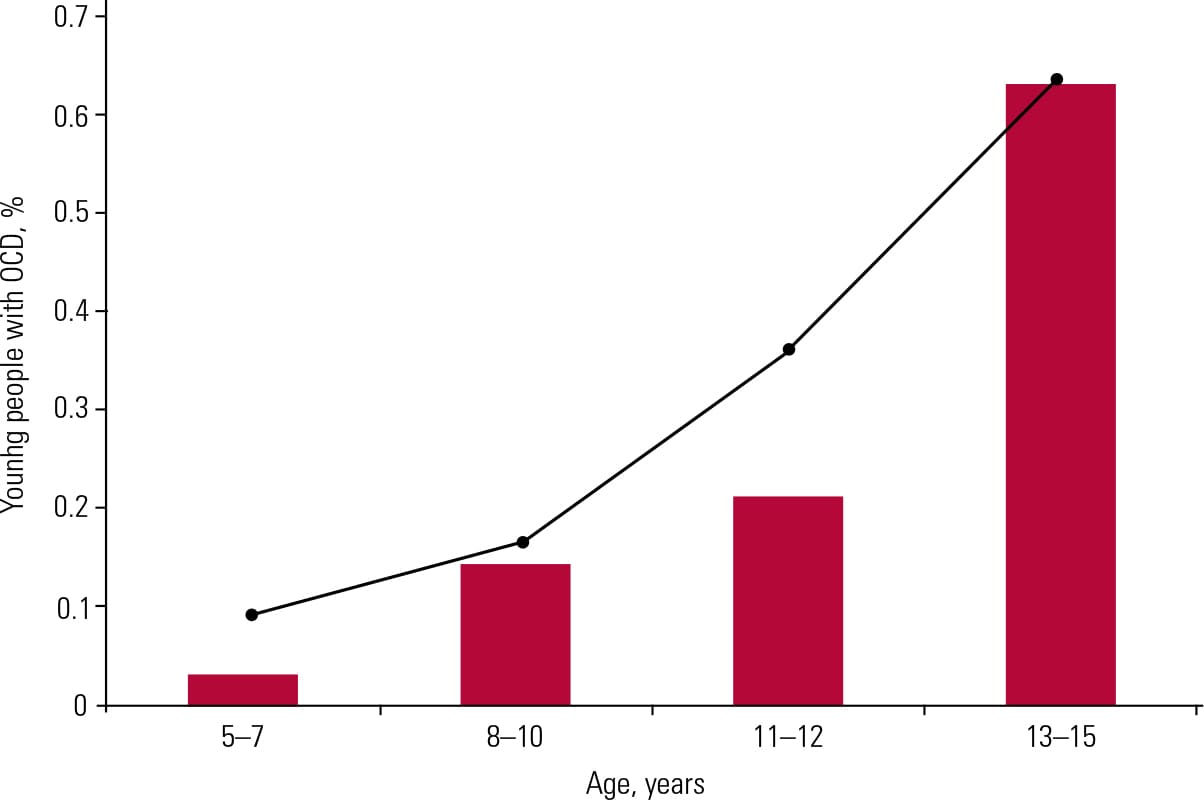
Cases begin during childhood or adolescence.
People with OCD do not receive adequate treatment or face delays in care.
Recovery is possible
Treating OCD
OCD (Obsessive-Compulsive Disorder) can be treated effectively with a combination of psychotherapy, medication, and self-care strategies. Here are some examples of treatment options: