Do you feel alone—even when you’re not?
A safe, confidential loneliness assessment designed to help you understand your feelings of disconnection, uncover what’s missing, and gently guide you toward deeper, more meaningful connections.





How it works
From "I'm not sure" to clarity in three simple steps
Step 01
Take the assessment
Answer short questions about how you’ve been feeling. Takes just 3 minutes.
Step 02
Get instant results
See your personalized score with a clear explanation of what it means for you.
Step 03
Connect with a therapist
If needed, we’ll hand-match you with a licensed therapist within 24 hours.
Self Test
3 Min Free Loneliness Test
Answer a few short questions. We’ll show you results immediately — completely private.

Who it's for
Who Can Benefit From This Loneliness Test?
A loneliness test can benefit individuals who are experiencing feelings of loneliness and social isolation. These feelings may be caused by a variety of factors, including changes in life circumstances, such as moving to a new place or losing a loved one, social anxiety, and mental health conditions such as depression.
The loneliness test can help individuals determine the severity of their loneliness and identify potential contributing factors. It can also provide valuable information for healthcare professionals to make a diagnosis and develop a treatment plan.
People who have a history of social isolation, have experienced significant stress or trauma, or have a mental health condition that may be contributing to their loneliness may also benefit from a loneliness test.
Reliable & Validated
Loneliness Test Accuracy
The accuracy of a loneliness test can vary depending on the type of test used and the experience and qualifications of the healthcare professional conducting the test.
Loneliness tests typically involve a comprehensive evaluation of the individual’s symptoms and behavior, including clinical interviews, self-report measures, and psychological tests. By using multiple sources of information, a more accurate and comprehensive assessment can be obtained.
It is important that the healthcare professional conducting the loneliness test has experience and expertise in diagnosing and treating loneliness and related conditions. They should be familiar with the diagnostic criteria and able to differentiate between loneliness and other conditions that may present with similar symptoms.
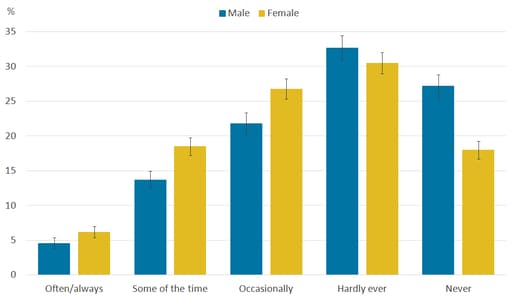
The Tools Clinicians Use
Types of Loneliness Test
Several validated assessments exist — each designed for different populations and purposes.
Clinical Interviews
A structured conversation with a mental health professional to understand your feelings, experiences, and social connections in depth.
Self-Report Measures
Standardized questionnaires that assess feelings of loneliness and social isolation. Common tools include the UCLA Loneliness Scale.
Clinician-Administered Scales
Professional rating scales used to evaluate the severity of loneliness and related emotional distress.
Behavioral Observations
Assessment of how you interact in social settings to identify patterns of withdrawal, avoidance, or isolation.
Psychological Tests
Tools used to evaluate emotional well-being, thinking patterns, and related concerns like anxiety or depression.
Social & Lifestyle Assessment
Evaluation of your social network, relationships, and daily interactions to identify gaps in connection and support.
GLOBAL DATA
Loneliness & Social Isolation Statistics in the World
Sourced from WHO, Gallup, and global well-being studies.
People worldwide report feeling lonely on a regular basis.
Adults experience social isolation or lack meaningful connections.
Loneliness is linked to increased risk of depression, anxiety, and poor mental health.
Chronic loneliness is associated with higher risk of physical health issues and reduced well-being.
Recovery is possible
Treating Loneliness
The treatment of loneliness typically involves a combination of psychotherapy, medication, and lifestyle changes. Treatment plans will be tailored to the individual’s needs and may vary based on the severity of symptoms and other factors.